Pack Rats on the Brushy Edges of San Antonio
Most people in the middle of San Antonio never meet a pack rat. Move out to where the subdivisions meet the brush, north of 1604 or west toward the Hill Country, and it's a different story. Woodrats live in that brush, and when houses go up next door, some of them move into sheds, under decks and into anything left sitting outside.
This guide explains who they are and how to keep them from setting up shop. If one has already moved in, see pack rat removal.
What a Woodrat Is
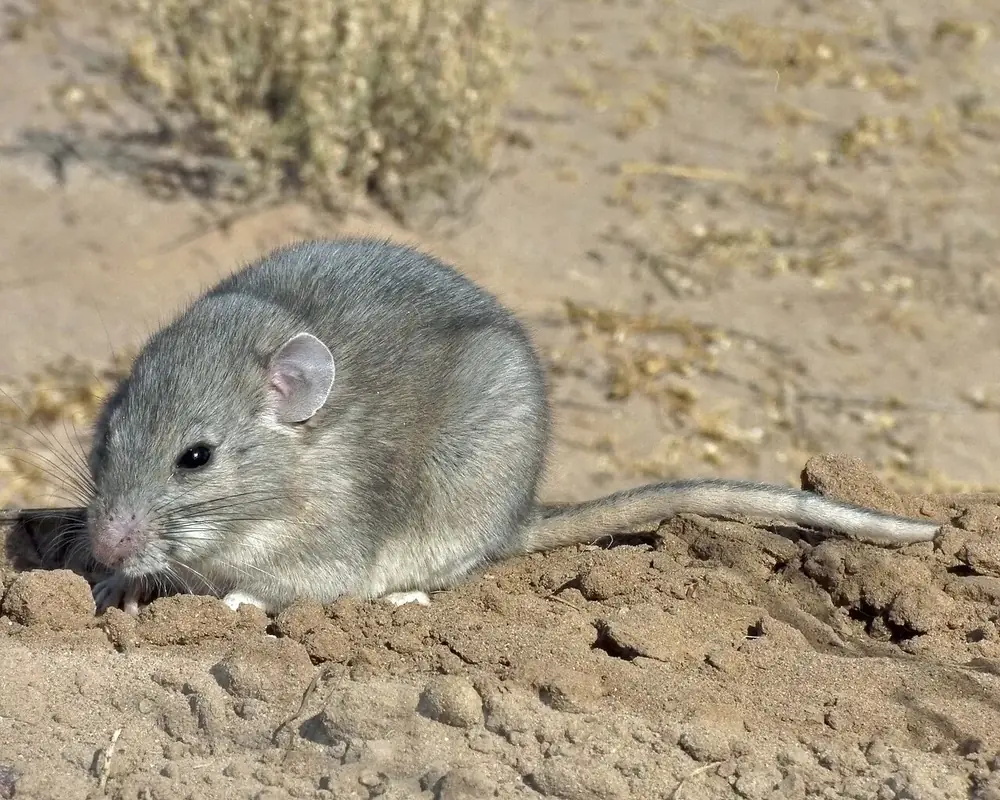
Woodrats are native rodents, not the rats that came over on ships. The southern plains woodrat is the one most tied to South Texas brush. It's gray-brown with a white belly, big ears and a tail covered in short fur. According to the Mammals of Texas account from Texas Tech, it lives in brushland across the western two-thirds of the state and is usually found around cactus and thorny shrubs.
They eat plants: prickly pear pads and fruit, mesquite beans and pods, sotol, agave and acorns. Their food supplies most of their water. That's why a yard with prickly pear and a mesquite or two along the back is woodrat country.
The Nest Is the Giveaway
Woodrats build a midden, a big mound of sticks, cactus joints, thorns and whatever else is lying around. The Texas Tech account says these can reach a meter or more high, with a nest chamber inside and two or more openings near the base. Out in the brush they're often under prickly pear. Near a house, they go wherever there's cover and something to pile up:
- Under a raised deck or porch
- Behind stored lumber, pallets or a stack of pavers
- In a shed corner or under a workbench
- Under the hood of a car, boat or mower that sits
- Inside an old grill or a covered smoker
Keeping Them Out of Your Stuff
Start with a clear strip around the house and outbuildings. Keep brush trimmed back, and don't let prickly pear grow right up against a wall or the AC unit. Get firewood, lumber and pallets up off the ground and away from buildings.
Then close up the buildings. Put a metal threshold or hardware cloth at the bottom of shed doors. Skirt decks with hardware cloth buried a few inches into the ground. Move vehicles that sit every week or two, and pop the hood to look. A rodent exclusion visit can handle the bigger gaps.
Noise in the attic tonight? Talk to someone who handles San Antonio rodents.
Call (210) 955-2948
Taking Apart a Nest Safely
Old nests are full of droppings, urine and fleas. Don't kick one apart dry. Wear gloves and a dust mask, wet the pile down with disinfectant, and bag it. If the woodrat is still around, have it trapped first or it'll just rebuild. Homes in Timberwood Park and out toward Leon Springs call about this every year.
Questions From Callers
Why do they take shiny things?
Nobody knows for sure. They carry off small objects and add them to the nest, which is how they got the name pack rat.
Are they protected?
Rules for native wildlife can differ from rules for city rats. A licensed provider will know what applies on your property.