Roof Rats, Fruit Trees and Your Attic: A San Antonio Guide
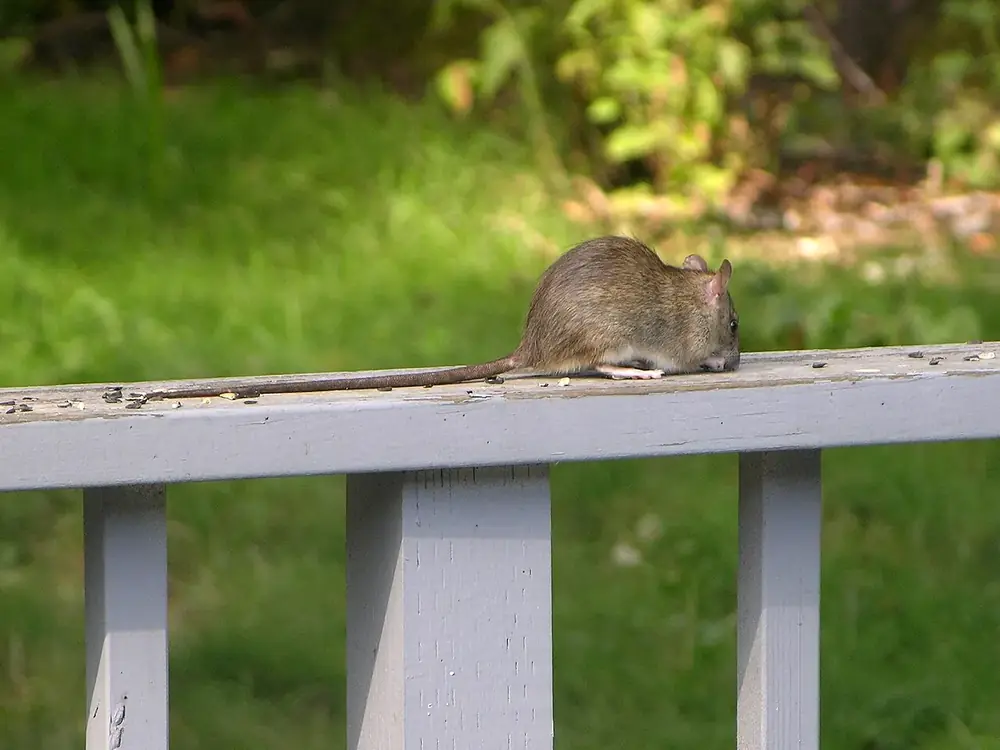
San Antonio backyards are good to roof rats. There's shade most of the year, a pecan or a citrus tree in half the yards, ivy on the fences, and a warm attic within jumping distance. Roof rats are climbers, and they live off the ground as much as they can. If you understand how they move, you can make your house a lot harder to reach.
This guide covers the yard side. For the work inside the attic, see roof rat control.
What They Eat in Our Yards
Roof rats eat fruit, nuts, seeds and just about anything in a pet bowl. In a San Antonio yard that means pecans on the ground in the fall, oranges and grapefruit hanging on the tree through winter, figs and loquats in late spring, and bird seed all year. A sign people notice is fruit that's been hollowed out while still on the branch, with just the peel left hanging.
Pick up fallen fruit and nuts often. Harvest citrus when it's ripe instead of leaving it on the tree. Take the dog bowl in at night. None of this gets rid of rats, but it means fewer of them hang around.
The Plants That Act Like Ladders
A roof rat wants a path from the ground to the roof that it can travel without being seen. These are the usual ones:
- Tree limbs that touch or hang over the roof
- Palms with old fronds left on, which make thick cover near the top
- Ivy, trumpet vine or creeping fig climbing a wall toward the eaves
- Bamboo and dense shrubs along a back fence
- Overhead cable and power lines running to the house
What to Cut and How Far
Trim limbs so they don't touch the roof or hang right over it. Keep vines off the upper part of the wall and away from the soffit. Have old palm fronds trimmed out. If a tree is big or near a power line, hire a tree company. Don't climb around a roof with a saw.
You can't do much about utility lines, but a tech can tell you whether rats are using them and where they land on the roof. That's where the sealing work should start.
Noise in the attic tonight? Talk to someone who handles San Antonio rodents.
Call (210) 955-2948
Signs They've Already Made It Up
Running and scratching overhead after dark is the classic sign. Up in the attic, look for droppings along the top of the walls, packed-down trails through the insulation, and dark rub marks where they squeeze past a rafter. Chewed AC duct is common, since most Texas homes run their ducts through the attic. If you find that, plan on attic cleanup after the rats are gone.
When to Call
If you trim everything and still hear them, they're already living inside and they've found a gap. Traps will catch the ones inside, but the gap has to be closed or new ones will follow. A tech can do both. Neighborhoods with big old trees, like Alamo Heights and Castle Hills, call about this more than most.
Questions From Callers
Should I cut down my pecan tree?
No need. Keep the limbs off the roof, pick up the nuts, and get the roofline sealed.
Do roof rats live in palm trees?
They can nest in the old fronds near the top. Keeping palms trimmed takes away that cover.