Rodent articles · Updated
The best rat and mouse traps, and where to set them
Plain snap traps are the most reliable choice for most homes: cheap, quick and easy to check. Use rat-size traps for rats and mouse-size for mice, set them along walls and runways, and use plenty of them.
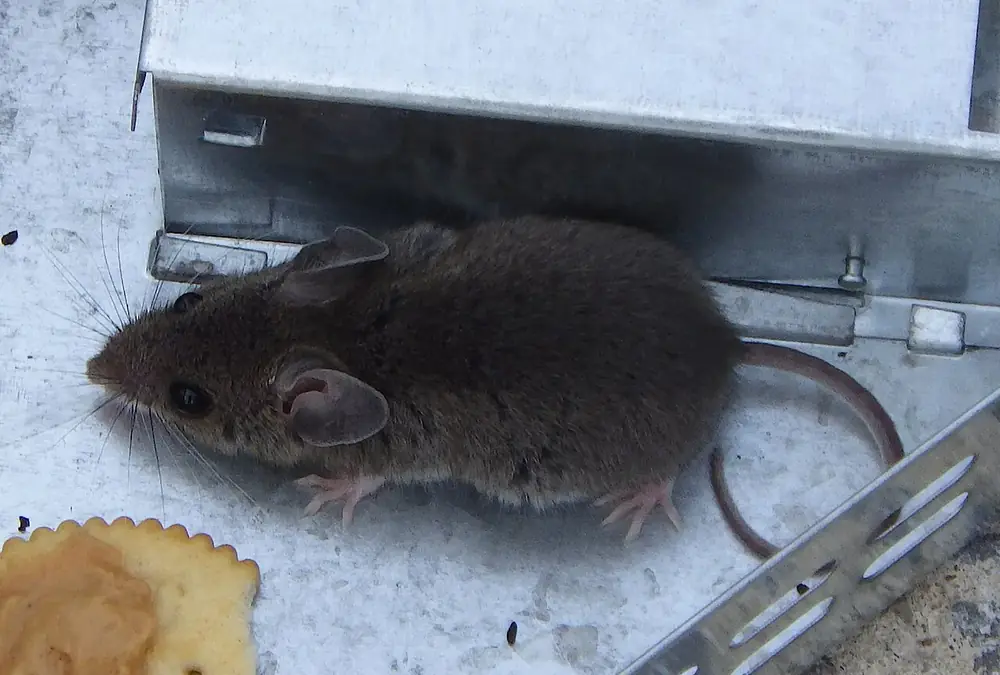
For most homes, plain snap traps are the best tool. They're cheap, they kill quickly, and you can see at a glance whether they worked. Use rat-size snap traps for rats and mouse-size for mice, since a mouse trap won't hold a rat and a rat trap often misses a mouse. Set more than you think you need, along walls and in the paths the rodents use.
Placement matters more than brand. A cheap trap in the right spot beats an expensive one in the middle of the floor.
Snap traps
Wood or plastic snap traps are the standard. Plastic ones with a wide trigger plate are easier to set and clean. Set them perpendicular to the wall, with the trigger end against the wall, since rodents run along edges. For rats in the attic, set them along the top plates and on rafters where you see droppings and rub marks. For mice, set them a few feet apart along walls in the kitchen, pantry and garage.
Put traps inside a box with a rodent-size hole, or under a cover, anywhere kids or pets can reach.
Electronic traps
Battery-powered traps kill with a shock inside a closed chamber. They cost more, but they're cleaner to empty and safer around pets because the kill zone is enclosed. They work well for mice in a pantry or a garage. For roof rats in a large attic, you'd need a lot of them, and snap traps are cheaper to use in quantity.
Live traps
Live traps catch without killing, but then you have a live rodent to deal with. Releasing a rat or mouse a short distance away often just means it comes back, and releasing it somewhere else moves the problem to someone else. Check live traps often, because a trapped animal suffers in the Texas heat. Angi lists live traps at about $5 to $20 each.
Want a local technician to take a look? Same-day appointments are often available.
Call (210) 955-2948
Glue boards
Many people find glue boards cruel, and they catch lizards, birds, snakes and the occasional pet. A rat on a glue board may drag it off or struggle for hours. We'd skip them. If you use one, check it often and never use it outdoors.
Bait and how to get rats to take it
A small smear of peanut butter works for both rats and mice. Nuts, dried fruit or a bit of bacon also work for rats. Use a small amount pressed into the trigger, not a big lump they can lick off.
Rats are cautious around new objects. If traps aren't catching, leave them baited but unset for a night or two so the rats get used to them, then set them. Mice are less wary, and you'll often catch them the first night.
Trapping roof rats in a Texas attic
Attic trapping in San Antonio has two quirks. First, heat. In summer a dead rat in a trap starts to smell within a day, so check attic traps daily, early in the morning before the attic heats up. Second, rats in attics travel along the framing, not the open insulation. Set traps on the top plates along the outside walls, on rafters where you see rub marks, and near the gaps where they come in. Wire or screw traps to the framing so a rat that's caught by a leg can't drag one off into the insulation.
Wear gloves, use a good flashlight, and stay on the joists. Many people prefer to leave attic trapping to a technician for that reason.
How long to keep trapping
Keep traps out until you go a week or two with no catches and no fresh droppings. Then pull most of them and leave a couple in place for a few more weeks as a check. If catches never slow down, rodents are still getting in, and sealing is the next job.
Keeping traps away from kids and pets
A snap trap can hurt a curious finger or a dog's nose. Set traps where only rodents go: behind appliances, inside cabinets, up in the attic, or inside a covered box with small openings on each end. Lizards and birds sometimes get into traps set outside, so keep trapping indoors or in enclosed spots like a garage corner.
Where traps fit in the bigger job
Traps clear the rodents that are already inside. They don't stop new ones. If you're still catching rodents after two weeks, there's an open gap, and the next step is sealing it. See rodent exclusion, or the step-by-step guide to getting rid of rats.
If you're thinking about poison instead, read bait safety around pets and kids first. Loose bait inside the house tends to cause more trouble than it solves.
Ready to have the gaps found and sealed? Call and describe what you're seeing.
Call (210) 955-2948
Questions from callers
How many traps should I set?
More than you think. For mice, several along each wall where you see droppings. For roof rats, a dozen or more in a typical attic is common.
Should I wear gloves when setting traps?
Gloves keep your scent off the trap and protect you when you empty it. Wet down dead rodents with disinfectant before handling them.
Why aren't my traps catching anything?
Usually placement. Move traps against walls and into the paths with droppings, and try leaving them unset for a night or two if you have rats.
Can I reuse traps?
Yes. Disinfect them after emptying. Some people prefer to throw out cheap wood traps after a catch.
Are electronic traps better than snap traps?
They're cleaner and safer around pets, and they cost more. Snap traps are cheaper to use in the numbers an attic often needs.