Rodent articles · Updated
How to get rid of rats in San Antonio
Figure out which rat you have, take away the food, trap the rats already inside with snap traps, and seal every gap they use. Trapping without sealing just makes room for the next rat.
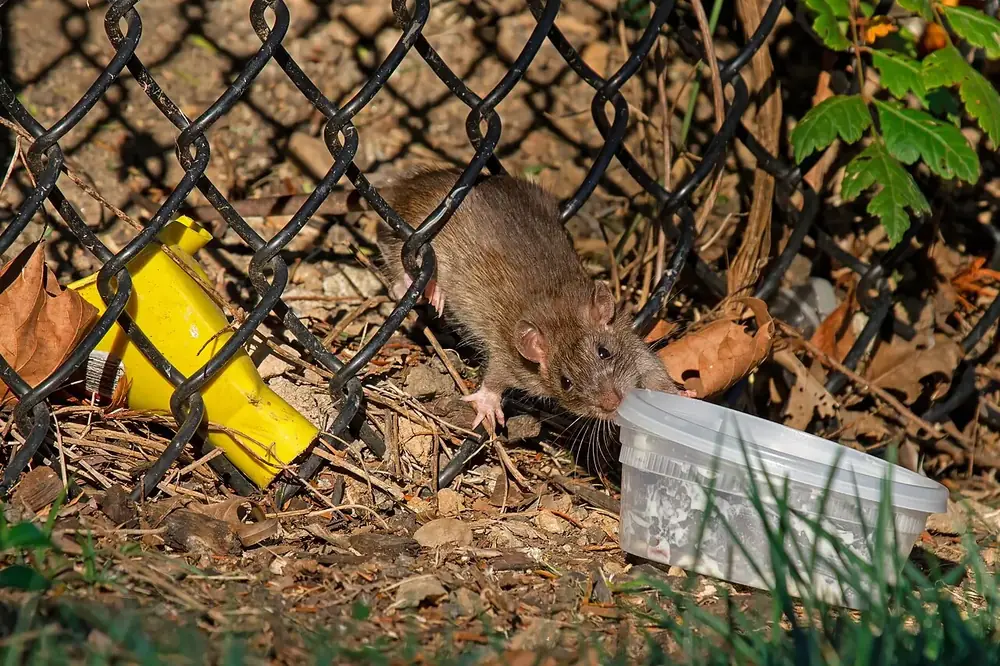
Getting rid of rats comes down to four steps in order: figure out which rat you have, cut off its food, trap the rats that are already inside, and seal the openings they use. Skip the sealing and you'll be trapping again in a month, because the same gap lets new rats in.
San Antonio adds a twist. Most homes here deal with two different rats. Roof rats climb trees into attics, and Norway rats dig along slabs and under sheds. The steps are the same, but where you trap and what you seal depend on which one it is.
Step one: figure out which rat you have
Noise overhead at night, droppings in the attic and hollowed-out fruit on the tree point to roof rats. Burrows by the foundation, under the AC pad or beside the shed, plus droppings in the garage, point to Norway rats. Roof rats are slim with tails longer than their bodies. Norway rats are heavy with shorter, thick tails.
Out on the brushy edges of town, a big pile of sticks under a deck means a woodrat, which is a different animal with its own fix. See pack rat removal if that's what you're finding.
Step two: take away the food and water
Rats stay where eating is easy. In a San Antonio yard that usually means pecans on the ground, citrus left on the tree, bird seed under the feeder, pet food on the patio and chicken feed in an open bin. Pick it up, store it in metal containers, and bring pet bowls in at night.
Trash matters too. The city's Solid Waste Management Department says carts should go out by 7 a.m. on collection day, come back in once collection day is over, and never be so full that the lid won't close. The green organics cart takes food scraps, so keep its lid shut and rinse it in summer. Our trash and yard rules guide covers the rest.
Water is the other draw in a dry summer. Fix dripping hose bibs and AC condensate lines that pool by the slab.
Step three: trap the rats that are inside
Snap traps do most of the work. For roof rats, set them in the attic along the top plates and on rafters where you see droppings and rub marks. For Norway rats, set them along walls in the garage and near burrows, inside a box or under a cover if kids or pets are around. Rats are wary of new things, so it can help to leave traps baited but unset for a night or two before setting them.
Avoid loose poison inside the house or attic. A poisoned rat can crawl into a wall and die there, and in a San Antonio summer that smell spreads fast. If bait is used, it belongs in locked, tamper-resistant stations outside. Our traps article covers trap choice and placement.
Want a local technician to take a look? Same-day appointments are often available.
Call (210) 955-2948
Step four: seal the way in
This is the step that ends the problem. For roof rats, the gaps are up high: where the roof meets the fascia, soffit corners, gable vents and plumbing vents, and where the AC line set goes into the wall. For Norway rats and mice, they're low: garage door corners, weep holes, crawl space skirting and pipe holes.
Use metal. Hardware cloth, sheet metal flashing and copper or stainless mesh hold up. Foam alone won't, because rats chew through it. Seal while trapping is going on, and close the last opening once traps stay empty. If the roof is high or steep, that's a good job to hand to a provider. See rodent exclusion.
Step five: follow up for a few weeks
Keep a couple of traps set for two or three weeks after you think it's over, and check them every few days. Look for fresh droppings and new burrows. New activity means a gap was missed, or a new one opened. Rats that come back after a job usually point to a missed entry point, and our article on why rats come back goes through the usual causes.
When to call for help
Call a provider if you hear rats every night for more than a week, if you're catching rats and they keep coming, if the entry points are on a roof you can't safely reach, or if droppings are spread across the attic. Those are the jobs where a technician with ladders, the right materials and a few hours on site saves you weeks.
Ready to have the gaps found and sealed? Call and describe what you're seeing.
Call (210) 955-2948
Questions from callers
How long does it take to get rid of rats?
A typical job runs two to four weeks from the first traps to the last sealed gap, with follow-up checks after that. Bigger infestations and older houses take longer.
Will rats leave on their own?
Not while they have food, water and a warm place to live. A San Antonio attic gives them all three most of the year.
Should I use poison?
Not loose inside the house. If bait is used, it should be in locked, tamper-resistant stations outside. Traps and sealing are safer indoors.
Does the city get rid of rats?
The city's code enforcement deals with property conditions like trash, junk and tall weeds. Rats in your own house are yours to handle. See the city reporting guide.