Rodent articles · Updated
Rodent diseases in Texas: hantavirus, murine typhus and safe cleanup
The CDC lists hantavirus, leptospirosis and typhus among diseases some mice and rats carry. In Texas, murine typhus spreads through infected fleas carried by rats, opossums and cats. Clean droppings wet, never dry, and treat for fleas before rodent control.
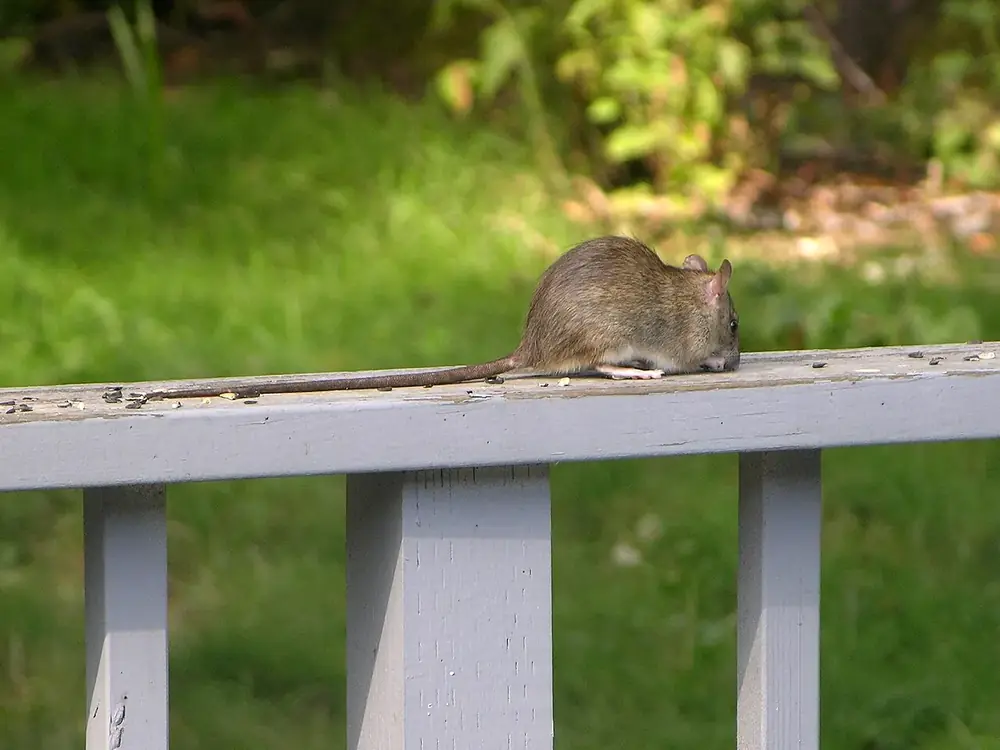
The CDC lists several diseases that some mice and rats can carry, including hantavirus, leptospirosis, lymphocytic choriomeningitis and typhus. In Texas, the one state health officials talk about most is murine typhus, also called flea-borne typhus, which spreads through infected fleas that live on rats, opossums and cats. Hantavirus is rarer but serious, and the deer mouse is its main carrier in the U.S.
This page is general information. If you're sick after contact with rodents, their droppings or their fleas, see a doctor and mention the exposure.
Murine typhus in Texas
Texas DSHS describes murine typhus as caused by the bacterium Rickettsia typhi. People get it from infected fleas. According to a DSHS health alert, rat and cat fleas are the main carriers, infection can happen when infected flea feces are scratched into a bite or another break in the skin, and rats, opossums and cats are considered the main animal reservoirs in Texas.
Bexar County has been part of the story for years. The same DSHS alert named Bexar County, along with Travis and Nueces counties, among the areas where typhus was mostly reported in earlier years. It counted more than 2,800 Texas cases from 2000 through 2016, with a median of 157 a year and a high of 364 in 2016.
DSHS lists symptoms as headache, fever, nausea and body aches, with a rash that may appear five or six days after the first symptoms, starting on the trunk and spreading to the arms and legs.
What DSHS recommends at home
The state's murine typhus fact sheet gives three rodent-related steps:
- Clean your yard so rodents, opossums and stray cats can't live there
- Prevent rodents from living in your house
- Treat for fleas before you begin rodent control in your house or yard
Why fleas come first
That last step matters. When rats die or leave, their fleas look for a new host, and that can be your pet or you. Treat pets with a flea product from your vet before the trapping starts, and ask the provider whether they'll treat nest areas. Our droppings cleanup page and pack rat removal page cover nests, which can be full of fleas.
Want a local technician to take a look? Same-day appointments are often available.
Call (210) 955-2948
Hantavirus
The CDC's hantavirus guide explains that people catch it by breathing in virus stirred up from contaminated urine or droppings, by touching contaminated material and then their eyes, nose or mouth, or, rarely, from a rodent bite. The CDC also notes there has never been a case of person-to-person spread in the United States.
The deer mouse is the main U.S. carrier, according to the CDC. Deer mice live in brush and woods, so homes on the edges of Bexar County, near greenbelts and out toward the Hill Country, are the ones most likely to see them in garages, sheds and cabins.
Cleaning up safely
The CDC's steps are the same for any rodent mess. For a shed, cabin or closed room, open doors and windows and leave them open for 30 minutes before you start. Wear gloves. Don't sweep or vacuum droppings, urine or nests, which throws particles into the air. Soak them with disinfectant or a bleach solution, 1 part bleach to 9 parts water, let it sit for 5 minutes, then wipe up with paper towels and bag everything.
For a large mess, an attic full of droppings, or anyone at home with breathing problems, hire it out. See attic cleanup.
Other diseases on the list
The CDC's hantavirus guide also names leptospirosis and lymphocytic choriomeningitis among diseases some mice and rats can carry, and mentions plague as a risk in the western U.S., spread by fleas from rodents. Rat bites can also become infected. Wash any bite or scratch well with soap and water and get medical advice.
Pets and rodents
Dogs and cats often find rodents first. Keep pets from eating dead rodents, which may have eaten bait, and keep them away from nests and droppings until the area is cleaned. Ask your vet about flea control and any vaccines they recommend for pets that hunt or spend time outside. Our bait safety article covers what to do if a pet may have eaten rodent bait.
The best prevention is keeping them out
Every disease on this page starts with rodents living close to people. Take away food, keep yards clear of junk and brush, trap the rodents that are inside, and seal the gaps. Our guide to getting rid of rats lays out the order, and rodent exclusion covers the sealing.
Ready to have the gaps found and sealed? Call and describe what you're seeing.
Call (210) 955-2948
Questions from callers
Is murine typhus common in San Antonio?
Texas DSHS named Bexar County among the areas where typhus was mostly reported in earlier years. Statewide, DSHS counted more than 2,800 cases from 2000 through 2016.
Can I get hantavirus from house mice?
The CDC names the deer mouse as the main U.S. carrier. You can't always tell from droppings which mouse left them, so clean every rodent mess with the wet method.
Should I treat my pets for fleas during rodent control?
Yes. Texas DSHS advises treating for fleas before you begin rodent control, since fleas leave dead or departing rodents and look for a new host.
What should I do after a rat bite?
Wash it with soap and water and see a doctor. Mention the bite and any symptoms that follow.